
Newsroom
NTCA is the source for the latest information on the rural telecommunications industry. Learn more about our members.
For media inquiries, contact:
Alexandra Naughton
Blogs

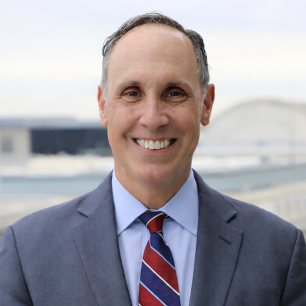
I’m almost three months into serving as CEO of NTCA. Yet at least a few times a week, I forget that I sit in a new office here at NTCA and literally turn into my old office as I walk down the hallway. So, I know firsthand that leadership transitions can be full of challenge and promise — both very big and really (and kind of ridiculously) small.








The Foundation for Rural Service (FRS) today announced it has awarded two new scholarships named in honor of individuals whose careers and dedication helped shape the rural broadband industry. The Tim Owens–Ron Laudner Scholarship and the Shirley...
NTCA–The Rural Broadband Association released the following statement from CEO Mike Romano regarding the FCC Notice of Proposed Rulemaking on the future of the high cost Universal Service Fund (USF) program and Third Report and Order modernizing the...
NTCA–The Rural Broadband Association this week presented Sen. Shelley Moore Capito (R-W.Va.) and broadband executive Greg Hale with awards for their leadership in advocating for policies that support community-based broadband providers and the...
NTCA–The Rural Broadband Association released the following statement from CEO Mike Romano after the U.S. House of Representatives passed the Farm, Food, and National Security Act of 2026 (Farm Bill)...
(May 15) In a filing with the FCC, NTCA urged the commission to streamline USAC audits and administrative procedures by establishing clear timelines, focusing reviews on material discrepancies, improving consistency in audit interpretations, and...
(June 8) In a filing with the FCC, NTCA noted its support for the commission’s efforts to protect communications networks from national security threats but urged it to narrowly tailor any new restrictions to entities explicitly named on the Covered...
(June 2) In reply comments filed with the FCC, NTCA and NRECA argued that the record broadly supports assigning new verification responsibilities to USAC and the National Verifier rather than individual carriers, and that monthly bill payment should...
(May 28) NTCA and a coalition of industry partners urged the FCC to require mobile devices to automatically unlock within 180 days of activation, arguing the policy would strengthen consumer choice, competition and affordability while still...

Advancing Universal Service
The NTCA “Broadband Built to Last” advocacy campaign engages small, community-based broadband providers, their employees and communities, policymakers and industry leaders in conversations on the importance of the Universal Service Fund (USF) to getting and keeping rural consumers connected to high quality, affordable services.
Look to this page and Bandwidth for regular updates on the association’s efforts.

Make a Difference With Operation IFAST
Broadband services that internet service providers offer are designed to provide connectivity. However, the internet also has become a place for recruiting victims of sex trafficking and facilitating their abuse.
In coordination with Guardian Group, NTCA offers information to providers about Operation IFAST, a three-step program designed to raise awareness, support law enforcement, and raise money to combat human trafficking crimes.
Join Operation IFAST to make a difference.
Featured Videos
NTCA recognized eight rural telecom leaders who have shown exceptional commitment to their communities and the broadband industry during the 2026 Rural Telecom Industry Meeting and EXPO (RTIME).
Learn more about the best practices for small and rural internet service providers to get involved in the exciting world of esports.
Rural broadband stands at a pivotal moment, defined by opportunity, challenges and the responsibility to get it right. Together, we are charting the path forward to ensure rural America can connect, compete and thrive.