

My CES blogs generally examine how we can connect new tech to rural spaces, often focusing on broadband-enabled devices. I enter the CES experience with an axiomatic understanding that NTCA member service areas enjoy substantial broadband connectivity (our latest survey shows that nearly 86% of NTCA customer locations are served by fiber!) and ask myself, “OK, how do we leverage this for rural spaces?” And so, over the past couple of days, I’ve written about healthcare and ag, and I’ll probably return to those topics as we wrap up reporting from CES next week. But for today, I thought I’d address a question that comes my way every year - “What is CES really like?” – and explain how that can inform a broad vision for rural spaces.
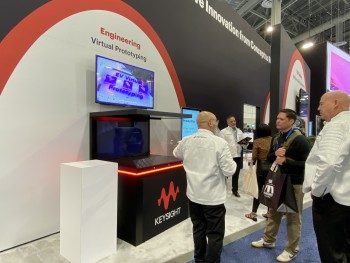
First, it’s big. CES is spread across about two-and-a-half million square feet of exhibition space and attracts about 140,000 attendees. That includes the Las Vegas Convention Center and the Venetian for primary space, with additional meetings and sector-specific events at venues including the Aria, Luxor and Mandalay Bay. To some degree, it is controlled chaos, and if it sounds like you need to be everywhere on The Strip to see all of CES, that’s about right.

But, to the credit of Consumer Technology Association (CTA) organizers, CES groups similar industries in common sections of the expo halls. So, when I wanted to dive into digital health, I attended conference sessions at the Venetian and then went downstairs to visit vendors and developers selling related technology. Likewise, sessions on ag tech were in the Las Vegas Convention Center, and related equipment was on display down the escalator and around the hall. Esports and gaming were featured at Aria (don’t forget to register for the NTCA Rural Rumble online esports tournament!). And yet even with sector-specific venues, it’s a good idea to wear comfortable shoes. I got wise a few years ago and started wearing running shoes – on average, I walked 7.7 miles each day at CES this year (or so reports my Apple Watch).
And there are also sessions that dig beneath the tech displays, addressing everything from the cost of falls in senior care facilities to soil composition for farming, and how connectivity and AI can be game changers across those and other fields.
For example, Xandar Kardian offers a suite of contactless monitors that track respiration, heart rate, motion, presence and sleep. The Class 2 FDA devices provide continuous vital sign monitoring and, when deployed for elder care, can provide information not only to the user but also children or remote caregivers, including alerts in the case of acute events. The sensors are visually unobtrusive, varying from devices that look like a night-table or a desk lamp to units that could be mistaken for a small smoke detector. For children caring for far-away parents, the devices can be, quite literally, a lifesaver.
Sensors also find their place in connected weather stations whose data collections can be used to provide real-time analytics to farmers (see yesterday’s post for AI and data analytics in ag). Or XTOOL, a digital laser engraver that can also cut fabric and paint a variety of materials. The use case for rural spaces? The ability to invest in a less-than-$2,000 device that can support small businesses selling customized art and products, offering an obtainable on-ramp for rural entrepreneurs or small craft business start-ups. A recent report sponsored in part by NTCA reported higher levels of entrepreneurship, wages and GDP in rural areas with high levels of broadband engagement, and relied on substantial academic research evidencing the critical role of small businesses in strong local economies.
So, what is CES like? It is a demonstration of how known technology can be deployed creatively for rural communities. The real magic of CES is not on the show floor but in the real world where solutions can transform rural health, ag and economic growth.
Or, stated differently, where capabilities enable us to imagine unique solutions that strengthen rural communities and the people we serve.